What happened in the seventeenth century after dark? Was the night different back then than it is now? Find out in *From Dusk Till Dawn*.
A Walk Through the Night
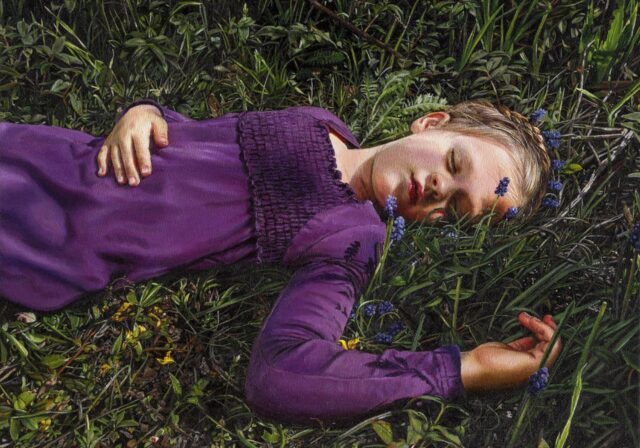
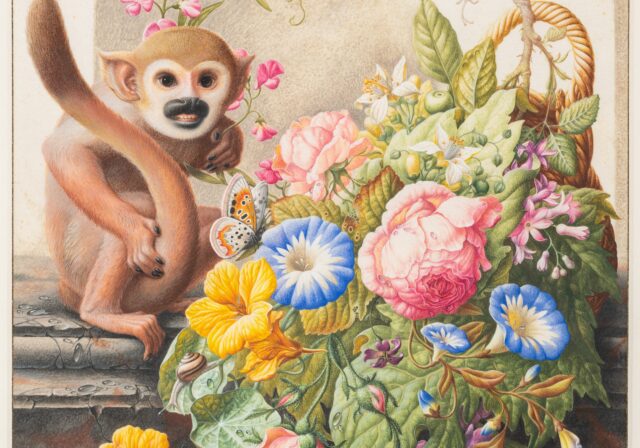
Through more than 100 works of art, you’ll take a walk through the nightin an era when it was still truly dark. You’ll start at dusk and walk from there into the darkness, toward the break of dawn. Along the way, you’ll discover a world full of tranquil lunar landscapes, cheerful night owls, and thrilling witches’ sabbats.
The Night as a Source of Inspiration
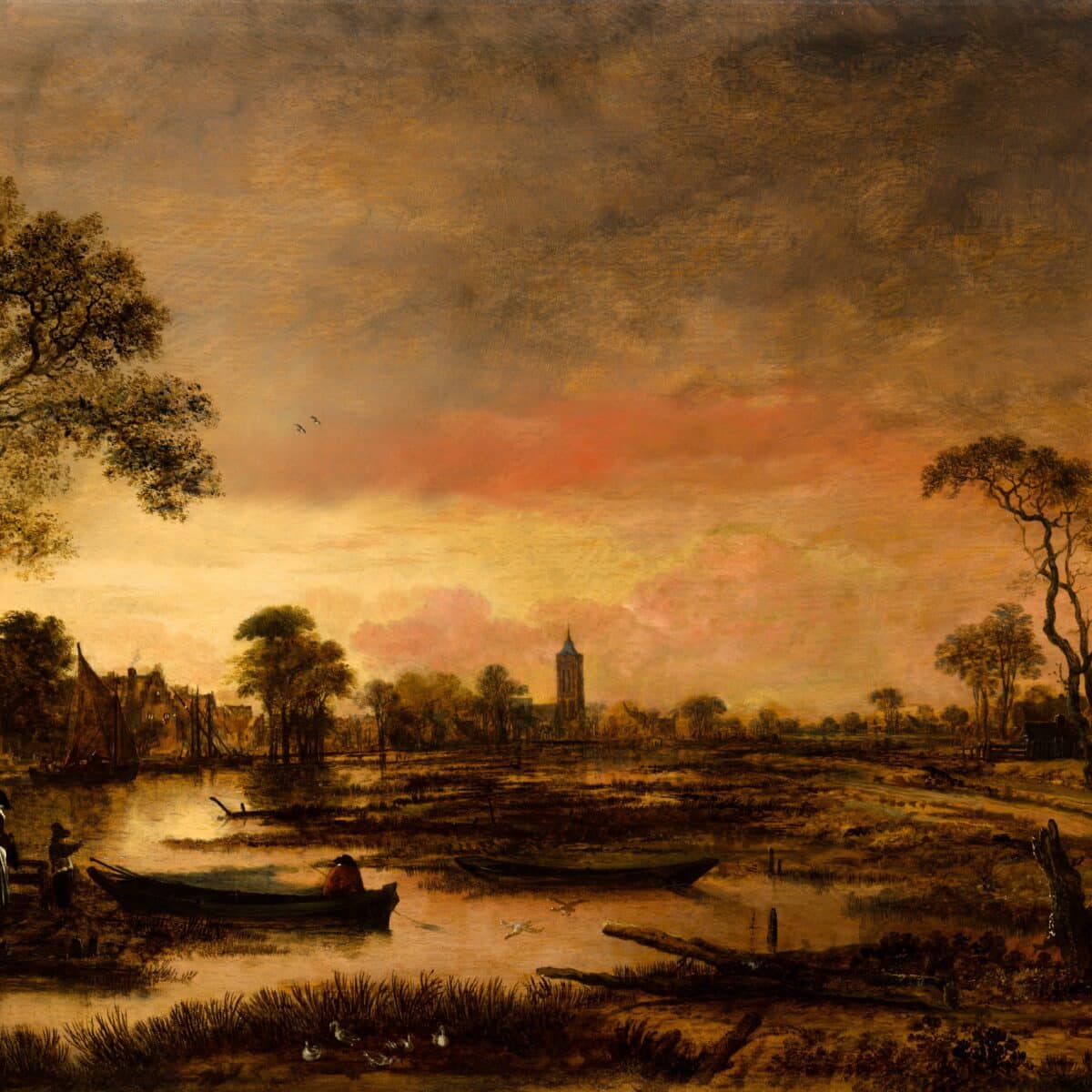
Seventeenth-century artists were anything but night-blind. The night scene flourished into a genre in its own right. Paintings, prints, and drawings depicting the night hours were so popular that special names existed for them, such as “moonlights” and “night scenes.” Some artists (such as Gerrit Dou or Gesina ter Borch) viewed the night scene as a side project, while others (such as Aert van der Neer and Egbert van der Poel) truly specialized in it.
When It Was Still Truly Dark
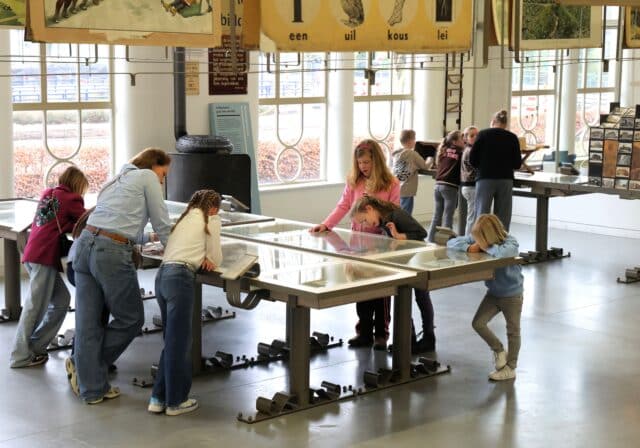
As these works of art reveal, the night possessed a unique beauty. It was not boring or lifeless, but fascinating and vibrant. And dark. As *From Dusk Till Dawn* shows, that darkness prompts us to reflect on our (overly) brightly lit world and its consequences for humans and animals. In a special “star room,” you can experience just how much the number of visible stars in our country has dwindled since the seventeenth century.
Out and About with a 17th-Century Night Guide
You won’t be traveling alone on the From Dusk Till Dawn tour. Through a “podwalk,” you’ll be accompanied by several knowledgeable 17th-century night guides. They’ll tell you about life in the wee hours, as well as about the artists who depicted the night.
A Surprisingly Timely Experience
Sometimes intimate, sometimes lively, and often surprisingly timely: *From Dusk Till Dawn* sheds light for the first time on an unjustly overlooked aspect of our history. An experience that is anything but boring.